article · Materials
Travertine Dining Floor: prepare a finish acceptance sheet
Prepare a finish acceptance sheet for travertine dining floor to address this hypothetical issue: The owner expects the dining floor to retain its original appearance despite frequent acidic drink spills. The task it must support is concrete: Compare the finish with drink service and chair movement, including the owner's tolerance for visible changes rather than a maintenance-free expectation. A travertine dining floor sits under a large table, movable chairs and a serving cabinet, with spills concentrated near the seating positions. Enter the supplied finish, the review conditions, users consulted and accepted appearance range. In the worked entry, distinguish the reviewed view from the unresolved view or expectation; the sheet should express what was actually accepted.
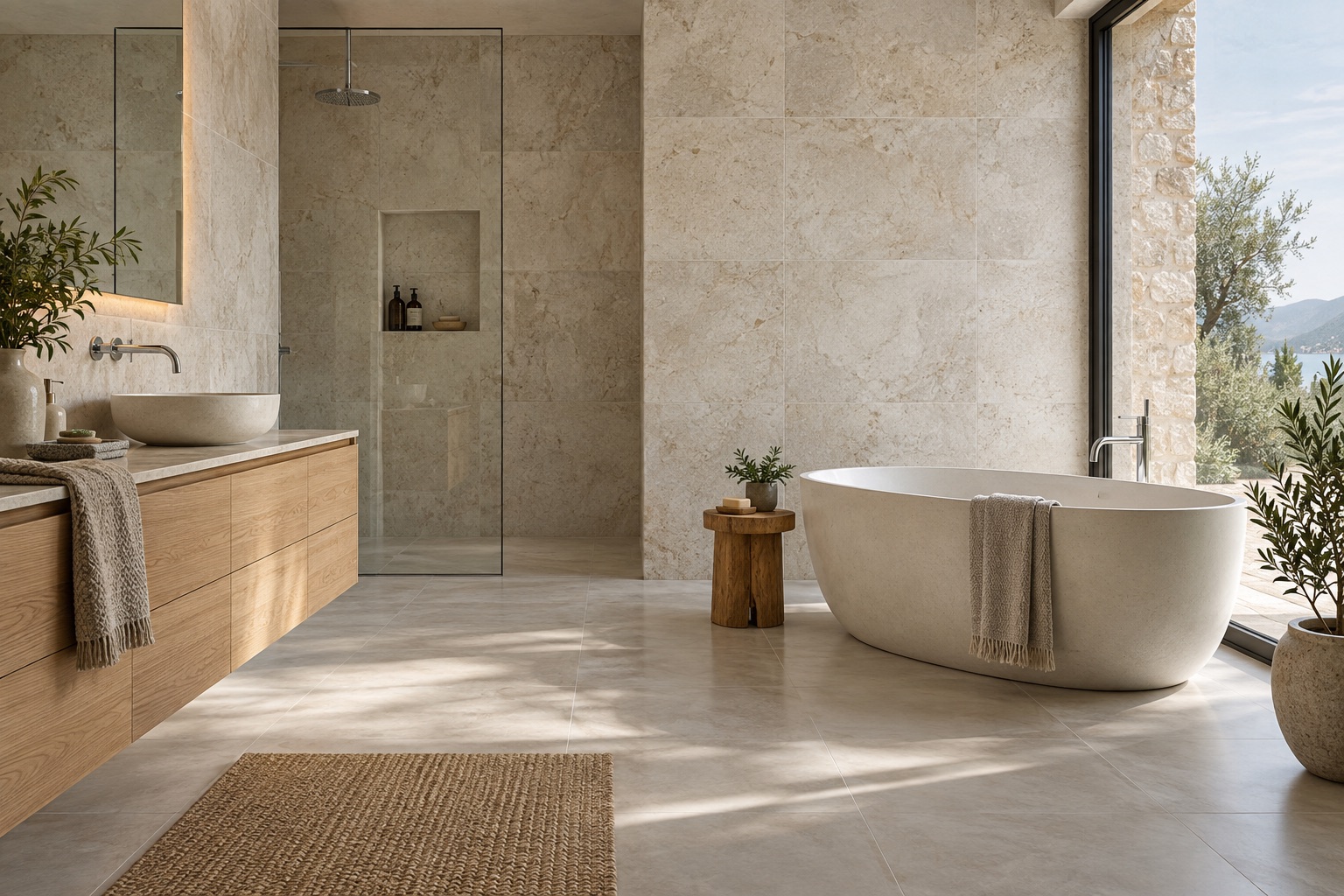
Develop the finish agreement case
Prepare a finish acceptance sheet for travertine dining floor to address this hypothetical issue: The owner expects the dining floor to retain its original appearance despite frequent acidic drink spills. The task it must support is concrete: Compare the finish with drink service and chair movement, including the owner's tolerance for visible changes rather than a maintenance-free expectation. A travertine dining floor sits under a large table, movable chairs and a serving cabinet, with spills concentrated near the seating positions. Enter the supplied finish, the review conditions, users consulted and accepted appearance range. In the worked entry, distinguish the reviewed view from the unresolved view or expectation; the sheet should express what was actually accepted.
Use this worked entry as a starting point, replacing its provisional answers with actual project information: Finish candidate: reviewed; spill response: user discussion pending; accepted acid-related changes: unresolved. The owner's expectation needs to address drink service on calcareous stone; another attractive sample cannot resolve an agreement that excludes every ordinary appearance change. Use the record to distinguish a supplied finish, a viewing condition and an accepted appearance change. These are separate entries because a showroom preference cannot answer a maintenance question. Keep the example's unanswered status visible and attach the relevant supplier response or review evidence, rather than turning its illustrative wording into a completed approval for this travertine dining floor.
Complete a finish acceptance sheet
For this travertine dining floor record, completion has a specific test: The owner accepts a realistic care and appearance agreement for the supplied finish before choosing it. Natural Stone Institute care guidance explains the acid sensitivity of calcareous stone. Apply that distinction when reviewing products and accepted appearance changes, while asking the supplier to confirm the composition and instructions for the actual surface being discussed. Check completion with the affected user and supplier separately: one confirms the accepted appearance, the other confirms the supplied finish and guidance. An unexplained future mark remains a separate care question. Record who supplied the actual answer and which source document or current drawing it concerns, so the outcome can be checked independently of the person who assembled the sheet.
Handle exceptions in travertine dining floor through the relevant responsibility boundary: The installer determines the floor assembly and transitions; furniture movement and cleaning access are owner planning questions rather than evidence of installation suitability. Completion is a shared understanding of the actual finish and its accepted use, not a guarantee that the surface can never change. When an observer later reports a mark, the finish record helps explain the starting condition and expectations; diagnosis of the new concern remains a separate material-specific advice question. If the worked entry's pending item remains unanswered, preserve that status in the final record and name the next adviser or responsible trade. The example demonstrates documentation logic; it is not a technical certification, product warranty or receipt for completed work.
Sources
- Care and cleaning of natural stone Natural Stone Institute
- How to find qualified tile installation labor Tile Council of North America
- Grout: joint planning and changes of plane Tile Council of North America